

My galleries depict usual cases rather than extremes. Most patients I see request natural appearing breasts which is what I have generally shown below.
The following cases are shown in approximate order of increasing skin redundancy. Variations in tissue types, chest wall projection and breast tissue ptosis are shown to illustrate how these factors influence the post-operative shape.
I have purposely not included the implant volume as the patients height, weight and body mass index cannot be determined from photographs and may give patients unrealistic expectations about the appropriate size for them.
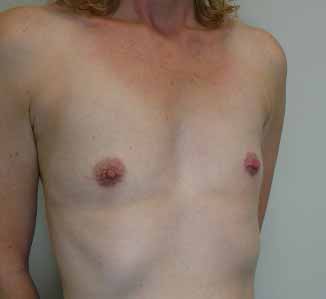
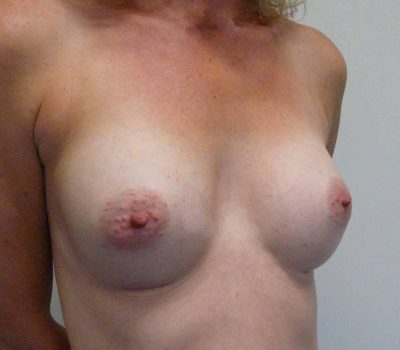
AA-cup with minimal breast tissue after breast feeding. Subglandular round implant.
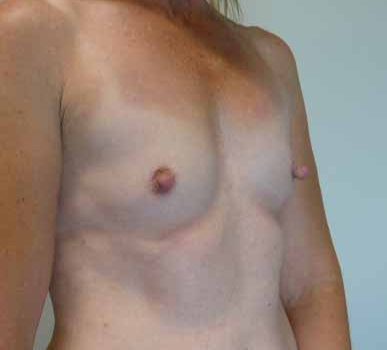
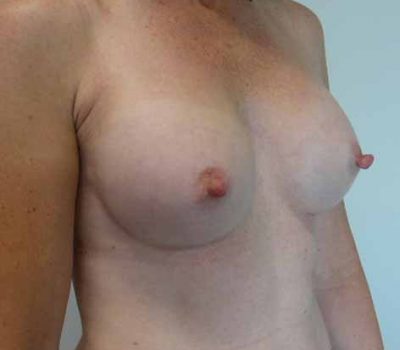
AA-cup after breast feeding. Minimal subcutaneous tissue. Subglandular breast implant.
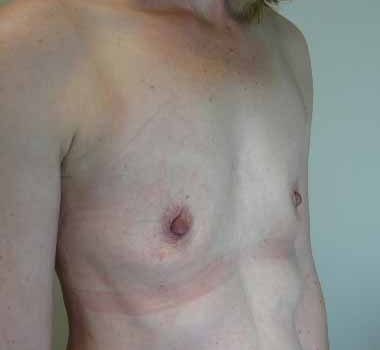
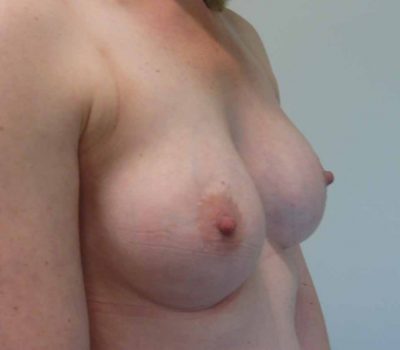
AA-cup with pectus excavatum. Subglandular round implant.
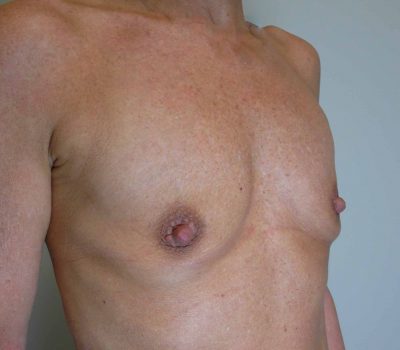
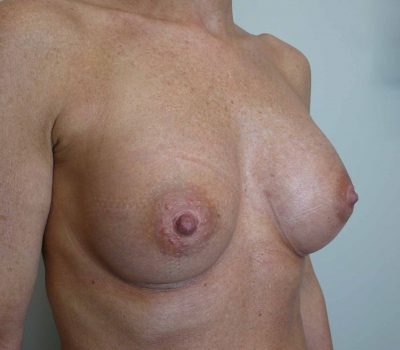
AA-cup in a part-time athlete. Subglandular round implant.
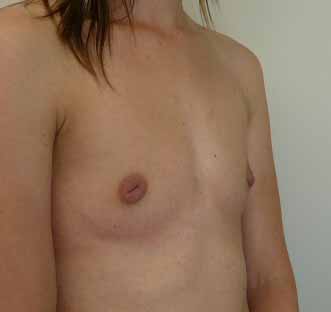
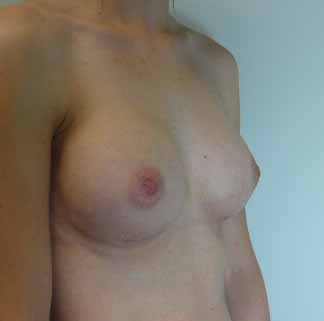
AA-cup with inverted nipples. Subglandular implant and inverted nipple correction.

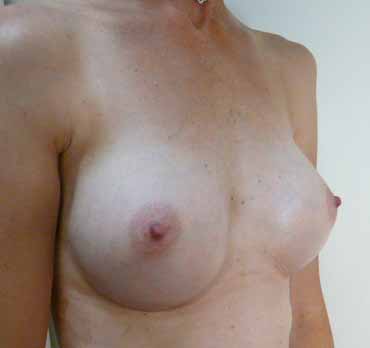
AA-cup with minimal inferior skin excess. Subglandular round implant.
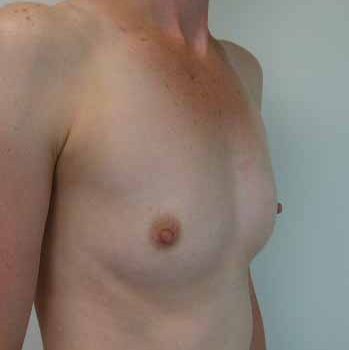

Barrel chest with breast gland in more lateral position on chest wall. Subglandular round implants
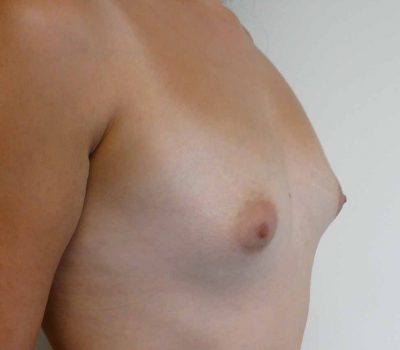

AA-cup in person who has not breast fed and has tighter overlying skin envelope. Subglandular round implant.
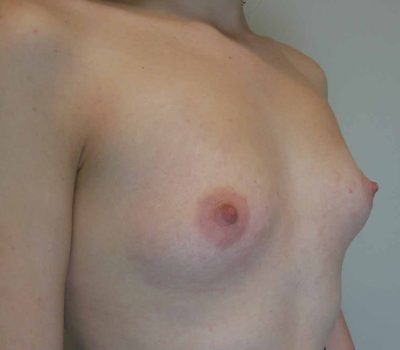
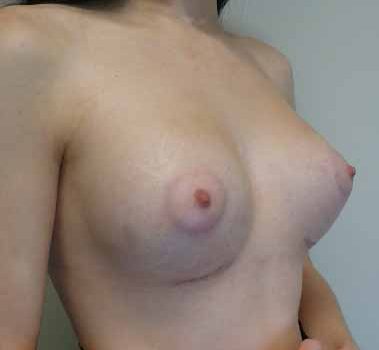
AA-cup in person who has not breast fed and has tighter overlying skin envelope. Subglandular round implant.
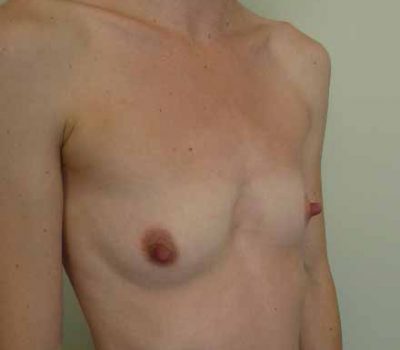
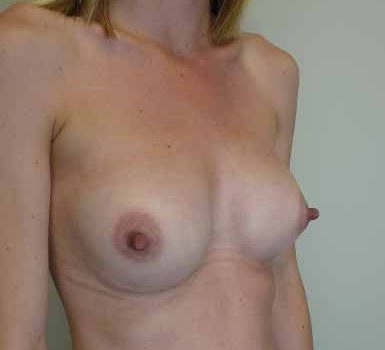
AA-cup with minimal subcutaneous tissue. Submuscular round implants
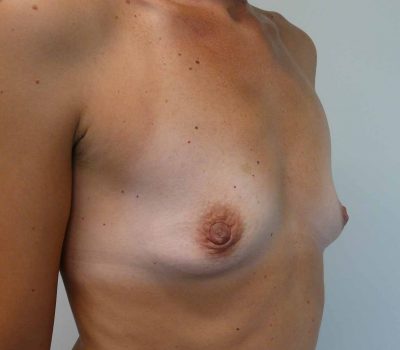
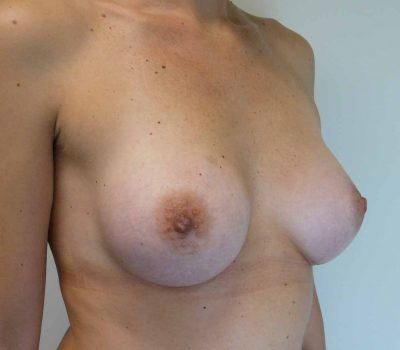
AA-Cup with slight inferior envelope redundancy. Subglandular round implants.
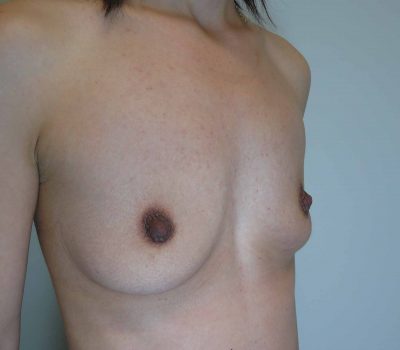
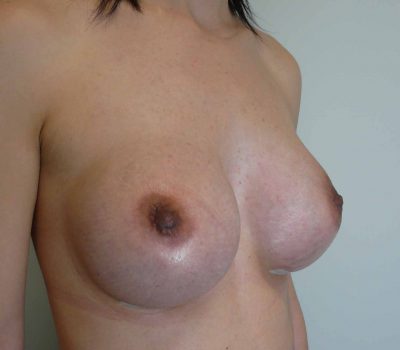
AA-cup with slight peri-areola stretch marks. Subglandular round implants.
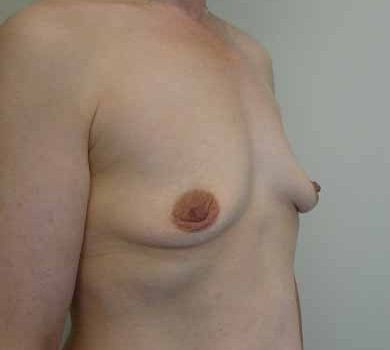
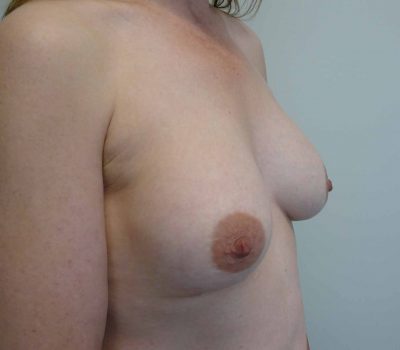
AA- cup with empty inferior skin envelope. Subglandular round implant.
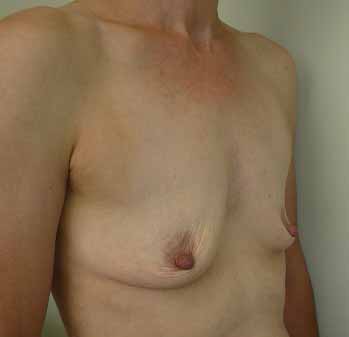
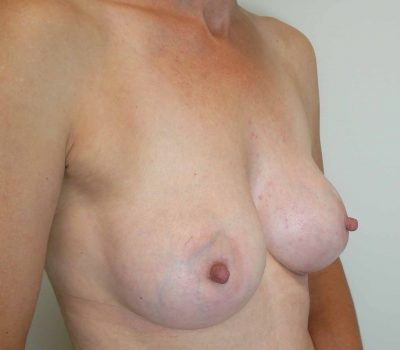
AA-cup with grade II ptosis and excess skin. Subglandular round implant.